Physics 12: Energy and the Environment
Spring Term, 2013
This course looks at the role that energy plays in our lives. We will first explore the physics of energy in its many forms, learning how to calculate/estimate the energy content of a wide variety of systems. Then we will look at our sources of energy, addressing present and future limitations and crises. While we will inevitably touch on socio-political aspects of the energy problem, the focus of the course will be on understanding the physical and technical issues associated with the problem so that we can make informed contributions to the ever-evolving energy policies of our world.
Class meets MWF 3:00 to 3:50 PM, York 2622.
Discussion Session meets Wednesday, 4:00 to 4:50 PM in CSB 005.
Professor:
Teaching Assistant:
Course Textbook
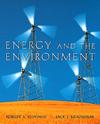
Energy and the Environment, 2nd edition, by Ristinen and Kraushaar,
Wiley, 2006, ISBN: 0-471-73989-8. This textbook is required for
the course. The book is excellent, and the course will follow it closely. Students are asked to purchase an iClicker transmitter in
order to participate in in-class voting/discussion. These can be bought at the bookstore for $37.50 new, or $28.15 used. They can be sold back for half-price a the end
of the quarter. You may register your iClicker online (answer No or Not Sure to question about Learning Management System, even if it's a lie).
Electronic Transmitter Required
Do the Math Blog:
Murphy's blog about energy issues very much in line with this course's content.